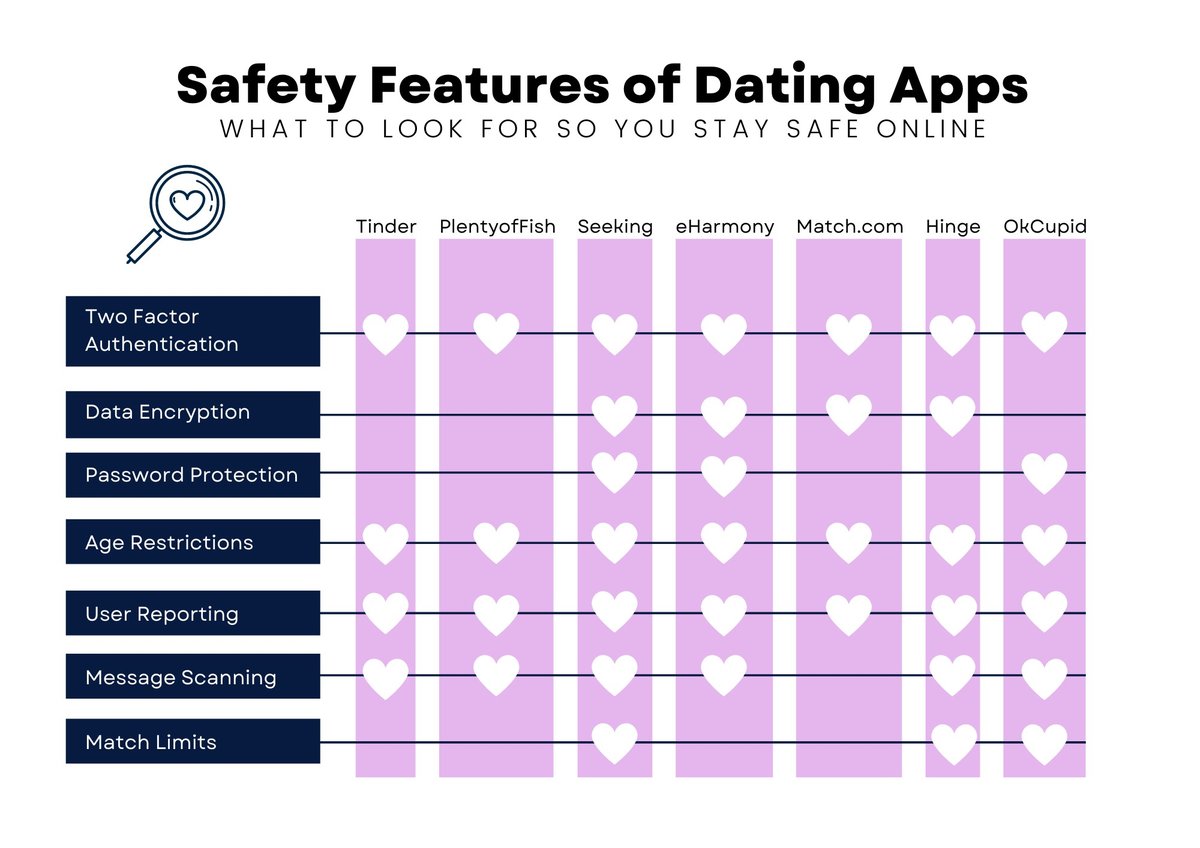
The world of teen dating looks profoundly different today than it did a generation ago. For many young people, connection—and the first blush of romance—now begins online. This shift makes Promoting Digital Safety in Your Child's Dating an essential, ongoing conversation for every parent. It's not just about protecting them from bad actors; it's about equipping them with the wisdom and resilience to navigate complex digital spaces where relationships can form, flourish, or fall apart.
At a Glance: Your Core Strategy for Digital Dating Safety
- Talk Early & Often: Start conversations about online safety from a young age, well before dating enters the picture, and keep them going.
- Build Trust, Not Just Rules: Create an open, judgment-free space where your child feels safe to disclose any online experiences, good or bad.
- Educate Beyond the Screen: Teach critical thinking, digital literacy, and the difference between online personas and real life.
- Set Clear Boundaries: Delay unrestricted smartphone access, enforce age requirements for apps, and ensure transparency if using monitoring tools.
- Stay Involved & Model Behavior: Engage with their online world, understand the platforms they use, and demonstrate responsible digital habits yourself.
- Be Their Safe Harbor: If something goes wrong, react with calm support first, then help them navigate the situation.
The Evolving Landscape: Why Online Safety in Dating is Different Now
Our children are digital natives, and for them, the lines between online and offline life are often blurred. While traditional dating might involve meeting at school or through friends, today's teens frequently encounter potential romantic interests through social media platforms like Instagram, Facebook, and TikTok via private messaging. Even apps like Snapchat, despite their "disappearing" messages, pose risks as content can be screenshotted or recorded. These interactions happen earlier and more frequently than many parents might realize, often without the explicit use of dedicated "dating apps" (though popular ones like Tinder, Bumble, and Hinge technically require users to be over 18).
The internet offers vast opportunities for connection, but it also harbors significant dangers. Without proper guidance, teens can stumble into serious harm, from emotional manipulation to criminal exploitation. The statistics paint a stark picture:
- Widespread Harm: A staggering 43% of young adults have encountered self-harm content on Instagram, with 32.5% going on to perform similar behaviors.
- Sexting Risks: About 20% of teens have sent or received nude or semi-nude photos, opening doors to potential legal issues and emotional distress.
- Predator Activity: The National Center for Missing and Exploited Children (NCMEC) reported a shocking 323% increase in online enticement of children between 2021 and 2023.
- Sextortion Epidemic: The FBI documented 12,600 sextortion victims from October 2021 to March 2023, with at least 20 tragic deaths by suicide linked to these crimes.
- Underdeveloped Decision-Making: All children are vulnerable. Their frontal lobes, critical for emotional regulation, impulse control, and sound decision-making, aren't fully developed until their early to mid-20s. Expecting them to navigate complex online relationships with adult-level judgment is simply unrealistic and dangerous.
Understanding these realities isn't about fostering fear; it's about empowering you, the parent, to provide the informed guidance your child desperately needs.
Laying the Groundwork: Building a Foundation of Trust
The most powerful tool you have for promoting digital safety in your child's dating life is an open, trusting relationship. This isn't built overnight, but through consistent effort and a willingness to meet your child where they are.
Start the Conversation Early and Keep It Going
Don't wait until your child has a smartphone or starts expressing interest in dating. Begin talking about online safety from a young age, just as you would about playground safety or stranger danger in the real world. As they grow, these conversations should evolve, covering topics like:
- Information Sharing: The importance of never sharing identifiable or sensitive personal details (full name, address, school, phone number) with strangers online.
- Digital Permanence: Reinforce the idea that "what goes online stays online." Even "disappearing" messages can be screenshotted or recorded.
- Downloads and Links: The dangers of clicking suspicious links or downloading files from unknown sources.
By normalizing these discussions, you create a space where online safety isn't a taboo topic, but a regular part of their development.
Create a Safe Space for Disclosure
When your child experiences something uncomfortable or dangerous online, their first instinct should be to come to you. This can only happen if they trust you will react with support, not judgment or anger. Normalize regular conversations about their online activity, even when things are going well.
For older children, try to let them lead these discussions. Connect with them first before jumping to correction. If they share a troubling experience, maintain a calm, supportive demeanor. It's okay to be distressed internally, but your child needs to see you as a safe harbor, not another source of panic. If you do react emotionally, apologize, explain that your reaction came from fear, but immediately reaffirm your love and support.
Share Your Own Vulnerabilities
You don't need to be a perfect parent, and you certainly don't need to be a tech expert, to teach life lessons about online safety. Share your own past experiences or hard life lessons – perhaps a time you misjudged someone, or made a decision you later regretted. This humanizes you and makes it easier for your child to open up about their own mistakes or fears.
Navigating the Digital Dating Landscape: Practical Parental Guidance
With a foundation of trust, you can actively guide your child through the specific challenges of online dating and interaction.
Enforce "Online Stranger Danger"
The core message of "stranger danger" applies just as much to the digital world as it does to real life. Emphasize that teens should NEVER meet someone they have only encountered online. If a teen expresses interest in meeting someone they've been chatting with, this is a red flag that requires immediate, firm intervention and discussion.
Monitor Apps and Age Requirements
Stay informed about the apps your child uses. Check their phones to ensure they're abiding by age requirements for all online platforms. Popular dating apps like Tinder, Bumble, and Hinge, for instance, are strictly for users over 18. Even apps advertising themselves as "safe for teens" can be dangerous, as they often attract predators using fictitious online personas (a practice known as catfishing).
Encourage your teen to use social media primarily for connecting with known friends, rather than for meeting new people. This is particularly crucial given that most teen online interactions with new people occur on social media platforms via private messaging.
Understanding the Reality of Sexting and its Dangers
Sexting—the sharing of sexually explicit images, videos, and messages—is a pervasive issue among teens. It's crucial to have explicit conversations about this topic, not just to discourage it, but to explain its severe legal and personal consequences.
- Legal Implications: Distributing child pornography is illegal, carrying heavy penalties. Even underage individuals can face criminal charges for sharing photos of themselves, and recipients can also be charged. This isn't just a "youthful mistake"; it can alter a child's future permanently.
- Vulnerability to Exploitation: Once an image is sent, it's out of your child's control forever. It can be shared, leaked, or used for sextortion (a horrifying crime where victims are coerced into sending more images or money under threat of public exposure).
Encourage your teens to come to you immediately if they find themselves in an uncomfortable or dangerous sexting situation. Assure them of your unwavering support, without judgment, and work together to find solutions. Remember, if your child is a victim of sextortion, support them and report it to the FBI or NCMEC immediately.
"Training Wheels" for Smartphones: Delaying Full Access
Given the complexities and risks, it's wise to delay full, unrestricted smartphone access for as long as possible. When you do introduce a smartphone, consider starting with "training wheels" options. Devices like Bark phone, Troomi, Gabb, Pinwheel, or even simple flip phones or the Light Phone, offer parental monitoring and safety features as an interim step. Clearly explain your reasoning to your child, emphasizing that these measures are about their safety and well-being, not a lack of trust.
Monitor Group Chats
Don't underestimate the potential for harm in group text chats, even before children own personal devices. Bullying, inappropriate content, and dangerous situations can originate here. Be aware of your child's group chat activity and who they are interacting with.
Upholding Family Values and Trusting Your Instinct
You are the parent, and you know your child best. Stick to your family's values regarding device access and online behavior, even if your child feels "left out" because their friends have more freedom. Prioritize in-person connections over early smartphone access if it leads to problematic content or bullying.
Trust your gut when deciding to increase your child's online autonomy. Allow graduated responsibility, gradually giving them more freedom as they demonstrate maturity and safe practices. This isn't about imposing arbitrary rules; it's about mentoring them toward independent, responsible digital citizenship. For comprehensive guidance on navigating your child's romantic journey, both online and off, explore our Guide to your childs romance.
Equipping for Resilience: Digital Literacy and Critical Thinking
Beyond rules and restrictions, your child needs to develop internal defenses—the ability to think critically about what they encounter online.
Teach Digital Media Literacy
From an early age, teach your child critical thinking skills about media content. Encourage them to ask:
- Who created this content?
- What is its purpose (to inform, entertain, persuade, mislead)?
- What techniques are used to convey its message?
- Who is the intended audience?
- How does this content make me feel, and why?
This helps them discern truth from fiction, recognize manipulation, and understand the curated nature of online personas.
Discuss the "Filtered Life" vs. Real Life
Social media often presents a highly curated, "filtered life" where everyone appears perfect and happy. Talk openly with your children about the difference between this idealized online world and the complexities of real life. Help them understand how this constant comparison can impact self-confidence and self-esteem. This context is crucial as they navigate their own relationships and self-perception online.
Help Children Monitor Their Feelings About Media Use
Encourage your children to develop an awareness of how media use makes them feel. Do certain apps or interactions make them anxious, sad, or insecure? Guide them to adjust their use for their own well-being. This self-awareness is a key component of healthy digital habits.
Mentor, Don't Just Restrict
While restrictions have their place, your primary role should be to mentor, enable, and support healthy media use. Heavy restriction, without explanation or discussion, can hinder media literacy and damage the parent-child relationship. Explain the "why" behind your rules, establishing family positions on what is appropriate online. Focus on restricting only the truly essential elements to keep them safe, while empowering them to navigate the rest responsibly.
Parental Monitoring: Transparency is Key
If you choose to use parental monitoring software, such as apps that track location or screen time, always tell your children. Installing it secretly can irrevocably destroy trust. If your child discovers hidden monitoring, they are more likely to resent you, hide their online activities, and become less likely to disclose unsafe situations out of fear of punishment or further surveillance. Transparency fosters a partnership in safety.
Leading by Example: Model Safe Behavior
Children learn by watching. Be a role model for intentional and balanced media use:
- Put your phone away during meals and family time.
- Turn off notifications when focusing on other tasks.
- Avoid charging your phone by your bed.
- Explain why you take these steps – for better focus, presence, and sleep.
Your actions speak louder than any lecture.
Recognizing Warning Signs and Seeking Help
Even with the best guidance, children can encounter difficult situations. Pay close attention to any changes in your child's behavior, as these can be critical indicators of an unsafe online experience:
- Appetite and Sleep: Significant changes in eating habits or sleep patterns.
- Academics: A sudden drop in grades or disinterest in school.
- Demeanor: Increased irritability, anxiety, sadness, or withdrawal.
- Interests: Loss of interest in hobbies or activities they once enjoyed.
Remember that unsafe online behavior often stems from deeper, underlying issues such as peer problems, academic stress, family conflict, or mental health struggles. If you notice these warning signs, consider seeking professional support from a mental health therapist or coach who can help your teen navigate dating, healthy relationships, and safe tech use. Trusted resources like the National Center for Missing and Exploited Children (NCMEC), the Federal Bureau of Investigation (FBI), and online safety challenges from Google can also provide valuable support and information. Fareedah Shaheed is another expert offering valuable resources on online safety.
Beyond Your Home: Advocating for Systemic Change
While individual parental guidance is crucial, the ultimate responsibility for online safety isn't solely yours. It's a shared societal responsibility. Recognize that online platforms and governments have a significant role to play. Advocate for stronger regulation, increased transparency, and greater accountability from these entities to address cybercrime, algorithmic harms, and the pervasive risks children face online. Your voice can contribute to a safer digital environment for all children.
Promoting digital safety in your child's dating life is an ongoing journey of education, communication, and adaptability. By staying engaged, informed, and supportive, you can equip your child with the wisdom and resilience they need to navigate the complexities of online relationships and thrive in our interconnected world.